
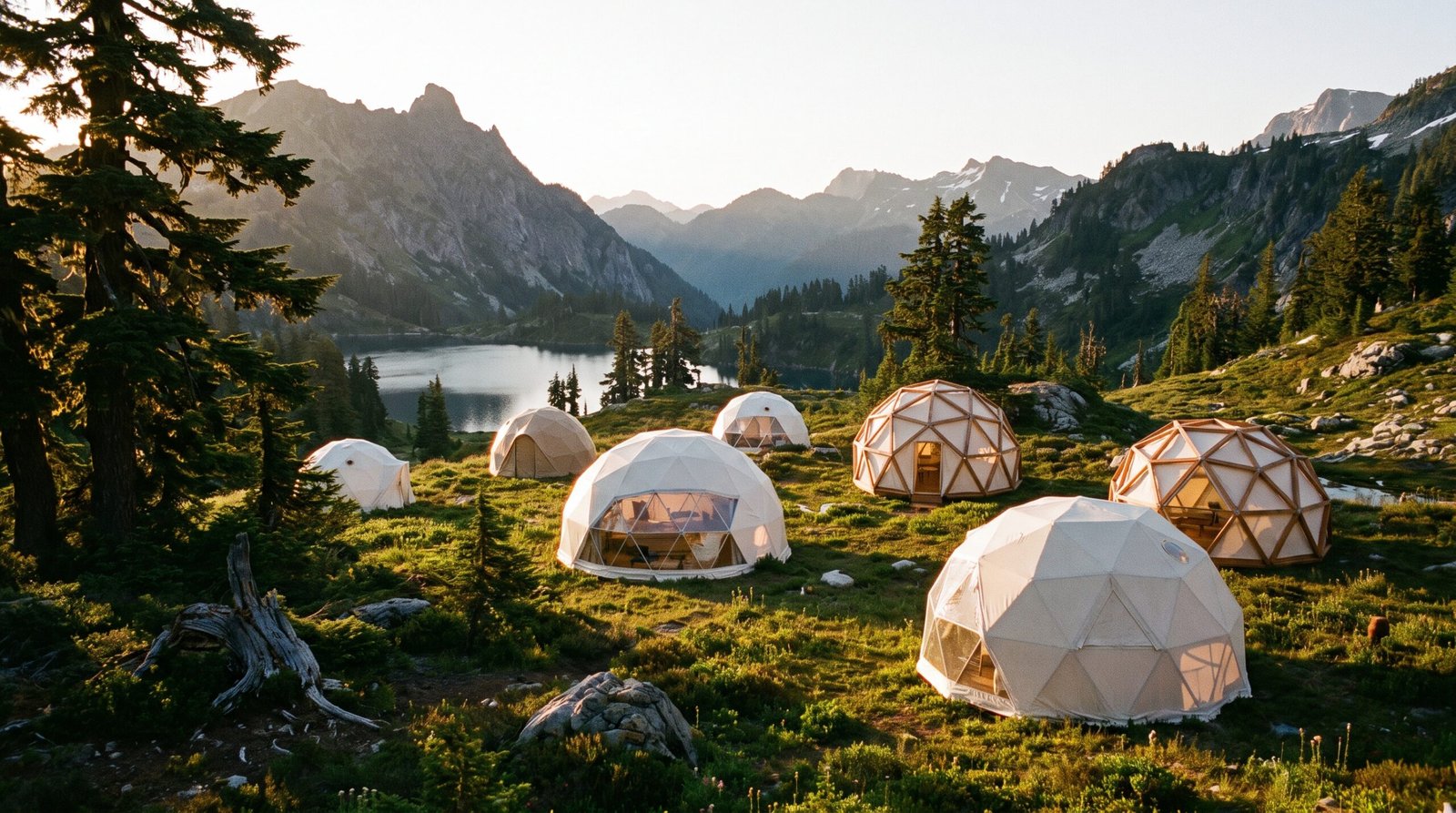
Running a glamping site means your tent is a revenue-generating asset, not a camping toy. If you’re vetting the best geodesic dome tent kits for an Airbnb listing, the math has to work: fast turnover between guests, weather resistance that survives a full season without a maintenance callout, and a structure that photographs well enough to justify a premium nightly rate. We put one of the most popular commercial-grade kits on the market under the microscope to see if it actually holds up to paying guests.

- Advanced Geodesic Dome Design: Featuring an upgraded geodesic dome structure, this tent provides excellent stability and strength. The design...
- Transparent PVC Cover: The dome is enclosed in a transparent PVC cover that not only allows for maximum natural sunlight to penetrate but also...
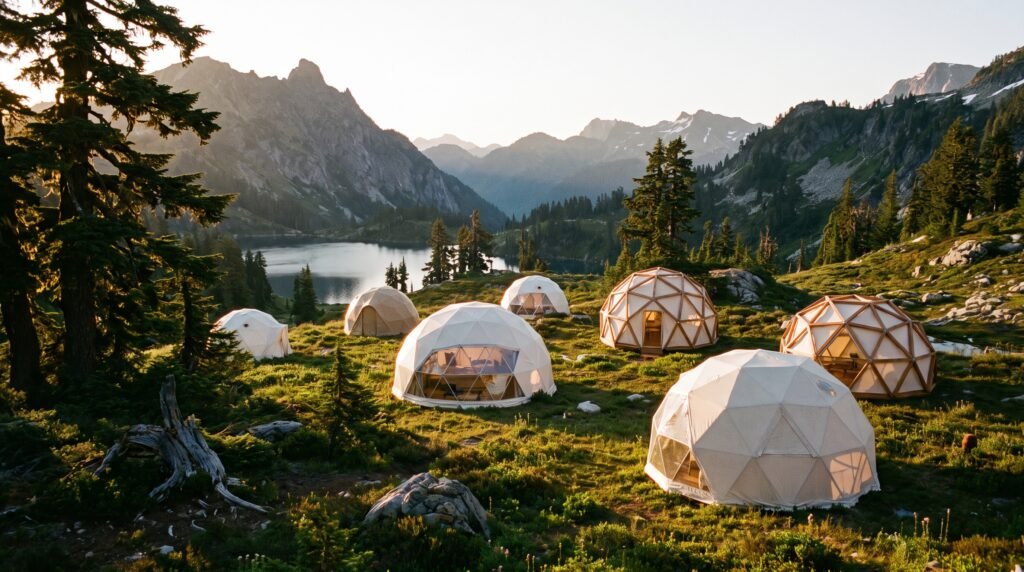
Key Features & Performance for a Glamping Dome Kit
The frame is hot-dip galvanized steel, which matters more than it sounds. Airbnb hosts running these units 20+ nights a month don’t have time to babysit rust spots. Assembly with two people takes roughly 6-8 hours for the mid-size model, which is reasonable for a first build but expect closer to 4 hours once your maintenance crew has done it twice.
The PVC cover is where this kit earns its commercial reputation. It’s a heavier-gauge, fire-retardant, waterproof PVC — not the thin vinyl you see on backyard dome tents. That thickness translates directly into wind and snow load performance, which is critical if you’re operating in a four-season market. Cleaning between guest stays is a wipe-down job, not a deep-clean project. That’s the detail that actually protects your margins.
On the pvc vs glass dome question, this kit sits firmly in the PVC camp, and for a reason: glass domes look stunning in marketing photos, but they run 3-5x the upfront cost, require professional installation, and complicate insurance and permitting in most jurisdictions. For a scaling Airbnb dome tent operation, PVC is the pragmatic choice unless you’re building a single flagship unit for brand positioning.
For hosts operating fully off-grid glamping sites, the dome’s shape itself is a functional advantage — geodesic structures distribute wind load more evenly than traditional A-frame tents, according to structural data referenced by the Wikipedia entry on geodesic domes, which reduces the risk of catastrophic failure during storms when you’re not on-site to intervene.
Pros & Cons
- Pro: Galvanized steel frame resists corrosion even in coastal or high-humidity climates without repainting.
- Pro: PVC cover wipes clean in under 15 minutes — critical for same-day guest turnovers.
- Pro: Modular panel design means a torn section can be patched or replaced without tearing down the whole structure.
- Pro: Rated for snow loads that make winter bookings viable, extending your revenue season.
- Con: The included door zippers are the weakest point — expect to budget for a heavy-duty zipper replacement within the first year of daily guest use.
- Con: Insulation is not included, so cold-climate hosts need to budget separately for liner kits or heating.
- Con: Instructions are functional but sparse — first-time builders should watch an assembly video rather than rely on the printed manual alone.
A Great Alternative
If your target guest is booking for the Instagram moment rather than an off-grid retreat, or if you’re operating a single luxury unit instead of a multi-dome property, this alternative kit is worth a look. It trades some of the industrial-grade cover thickness for a lighter, quicker-assembly design and a lower price point — a smart move for hosts testing the glamping model before committing capital to a full site build-out.

- Elevate your outdoor experience with our Transparent Clear Bubble Dome Tent, made from high-clarity for breathtaking 360° views. The convenient...
- Transform your outdoor gatherings with the Garden Dome Igloo Tent House, featuring a spacious 11.8 ft diameter and a peak height of 7 ft. There's...
Final Verdict
For hosts serious about scaling a glamping business, this is one of the best geodesic dome tent kits currently available at this price tier. It’s not the cheapest option, and it’s not the fanciest either — but durability and cleanability are exactly what a commercial operation needs, and this kit delivers both without forcing you into glass-dome pricing. Budget for a zipper upgrade in year one and you’ll get several profitable seasons out of it.
For ROI purposes, run the numbers before you buy: a mid-size dome at $150-$250 per night, booked 60% of the year, generates roughly $32,000-$54,000 in annual revenue. Against a kit cost in the low-to-mid thousands plus site prep, most hosts see payback within the first 8-14 months, assuming average regional occupancy. Track your actual cleaning turnaround time for the first month — if it’s under 20 minutes per stay, your effective nightly labor cost drops enough to justify pricing at the top of your local market range. For structural and safety benchmarks when siting a dome for public use, the OSHA guidance on temporary structures is a useful reference before you list your first booking.
Ultimo aggiornamento 2026-10-28 / Link di affiliazione / Immagini da Amazon Product Advertising API